Skip to content
Steady ConyersWater Damage Restoration

Basement and crawl space water near Conyers

Flooded Basements and Crawl Spaces in Conyers

A flooded basement or crawl space in Conyers, GA can follow hard rain, a stalled sump pump or a pipe that let go below the main floor. Is the water clear, brown, or coming up a drain? Call (678) 940-8196 and tell the contractor which, along with how deep it is.

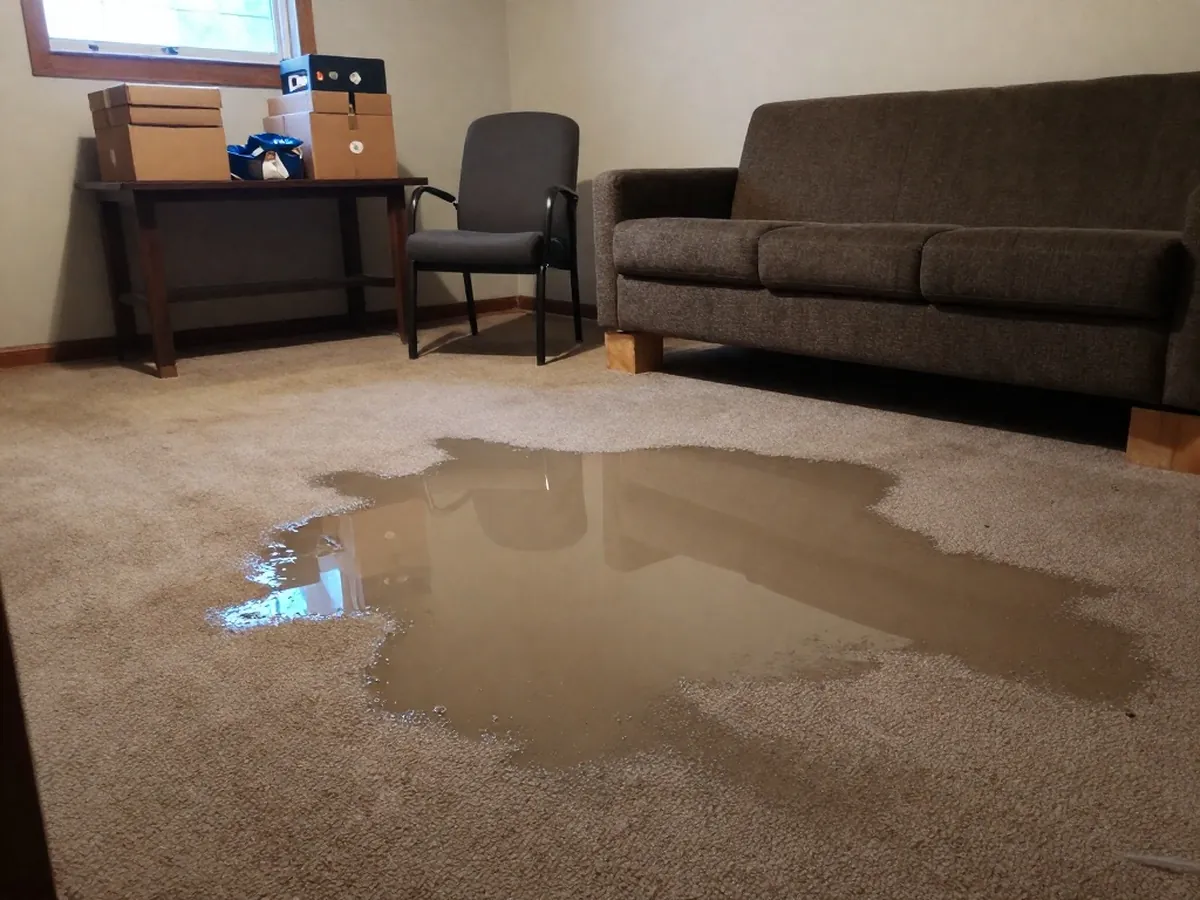
Basement carpet under a few inches of water, with a sofa raised on blocks
Fig. 1Basement carpet under a few inches of water, with a sofa raised on blocks

Work through it

Three questions that sort a basement flood

  1. Where is the water coming from?

    Rain moving toward the house, a drain that backed up and a broken pipe lead to different jobs. Clear water after a storm is not the same as dark water from a drain, and CDC says floodwater may contain sewage.

  2. Can you get to the panel and the water heater from dry ground?

    If not, the get-help-first list applies, and 911 or the electric utility is the call.

  3. What is stored down there?

    Move what is dry and safe to carry up. Leave the rest, and photograph it first.

What the contractor looks at

  1. Call (678) 940-8196, say how deep the water is and where it seems to come from, and the contractor can arrange a visit.

  2. Working out the source: rain moving toward the house, a drain, a pipe, or groundwater rising.

  3. Pumping out standing water in steps and reading moisture in walls, framing and the slab edge.

  4. Looking at what is soaked: carpet, pad, paneling, stored boxes, the bottom of the drywall.

  5. Setting up drying and dehumidifying, then checking the readings again.

  6. Talking through repair choices, and the questions to put to the county or city office.

Asked and answered

How urgent is a flooded basement, graded 1 to 10?

Grade 8 to 10: water climbing toward the panel or outlets, sewage in the water, a gas smell, or a gasoline pump running indoors. Leave and use 911 or the utility before anything else, then call (678) 940-8196 about the cleanup. Grade 4 to 7: a few inches of clear water, still there after a day. Call this week. Grade 1 to 3: damp edges only. Run a dehumidifier and watch.
Does homeowners insurance pay for a flood?

The emergency management agency in Georgia notes that flood damage falls outside a standard homeowners policy. Whether your policy applies to a particular loss is a matter for you and your insurer, so read it or ask before assuming anything either way. Keep photographs and receipts in one folder.

What keeps rainwater away from a foundation?

Per the EPA, basement water can come from missing gutters or from water running toward the house, and the soil needs to fall away from the foundation. For crawl spaces it recommends plastic over the dirt and a ventilated space. University of Georgia Extension lists 6 to 8 mil plastic over the soil as the minimum, with a slope of about 6 inches over 6 to 10 feet.

Dry it, cut it or replace it

What the guides say about floors, walls and stored things

FEMA and the Red Cross write that air needs to circulate around flooded floors so they can dry. They say large rugs and rugs with foam backing get discarded. North Dakota State says to dry wood floors gradually, since sudden drying could crack or split them.

For walls, Mississippi State says to remove drywall from the floor up to the visible high water line. The EPA also notes that porous items like carpet and ceiling tiles may have to go if they turn moldy.

Those rules are written for floods. The contractor sets the scope for your basement.

Basement carpet under a few inches of water, with a sofa raised on blocks

Reading the picture

Why the sofa sits on blocks in the picture

The picture shows a few inches of water over carpet, a sofa raised on wooden blocks, boxes stacked on a table and a small window letting in daylight. Blocks keep furniture legs out of the water so they do not stain or swell. Boxes on a table do the same job for cardboard.

It is a good picture of a small flood. A deeper one, or water from a drain, means furniture stays put and the stop list comes first.

Habits that cost more

Four things that go wrong after basement water

Going down to carry things out while water is near outlets.

The panel and the water heater are the first things to find out about.

Starting a gasoline pump in a closed basement.

In CDC's words, a gasoline engine does not run in the home, basement or garage, and it stays 20 feet or more away from any window, door or vent.

Trusting a drive through flooded streets.

The National Weather Service says never to try to cross flooded roadways.

Treating all the water the same.

If it came up a drain, handle it as a sewage job and stay out of it.

What you may notice

  • Standing water on a slab, or on the dirt of a crawl space
  • A tide line on basement walls or on boxes stacked low
  • Cold, damp air and a musty smell after a hard rain
  • Carpet or paneling pulling water upward from the floor
  • A sump pump running nonstop, or one that has gone silent

Paperwork and licensing questions

Who to ask about water at the foundation

Rockdale County's water resources department lists 770-278-7155 for stormwater concerns. It is a county number, so a street inside Conyers may fall under the city instead. The city and county permit desks are listed in contractor rules for Conyers.

Call (678) 940-8196