Skip to content
Steady ConyersWater Damage Restoration

Backed-up drains and dirty water near Conyers

Sewage Backup Cleanup in Conyers, GA

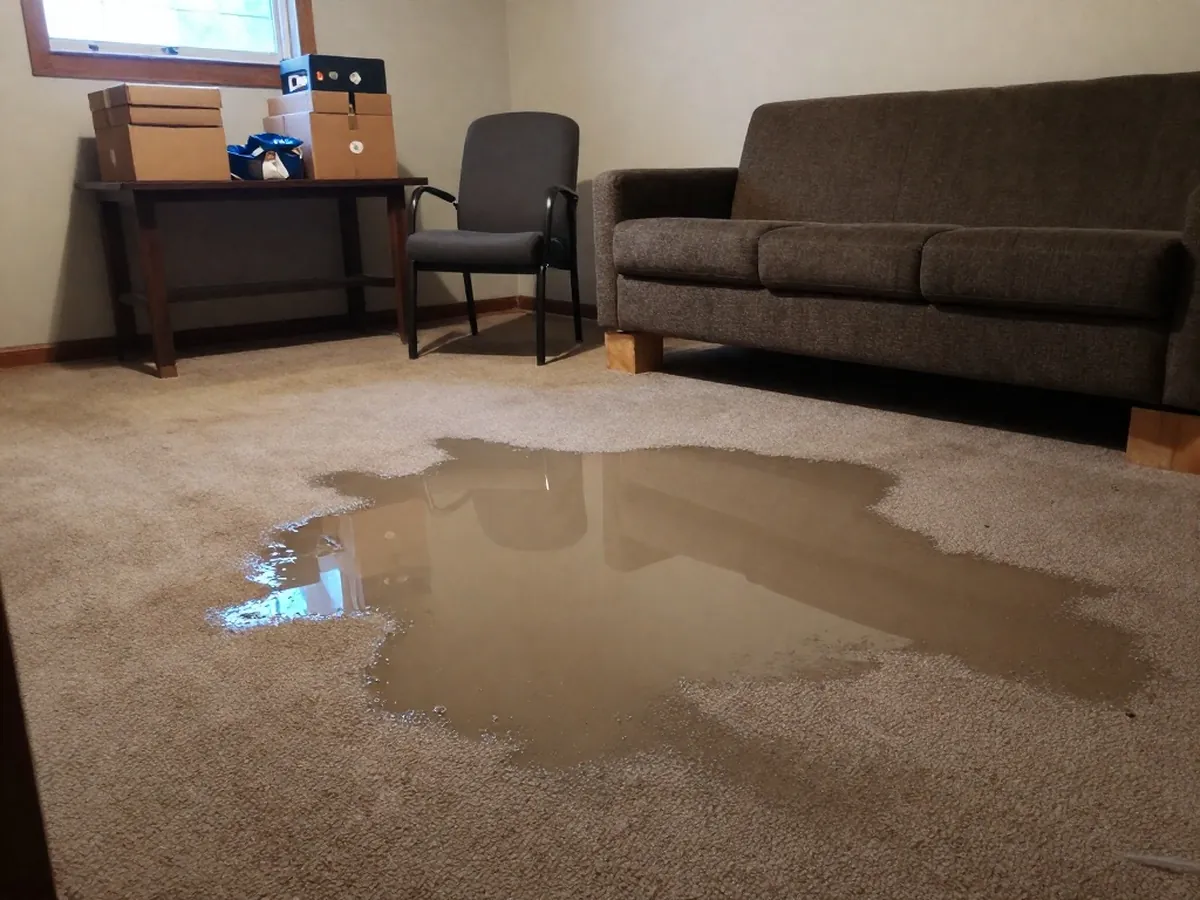
Sewage backup cleanup in Conyers, GA starts when dark, foul water comes up a toilet, tub or floor drain and spreads across a bathroom or basement. Not sure whose pipe failed, or what is safe to touch? Keep out of the water, then call (678) 940-8196 and ask the contractor what the cleanup involves.

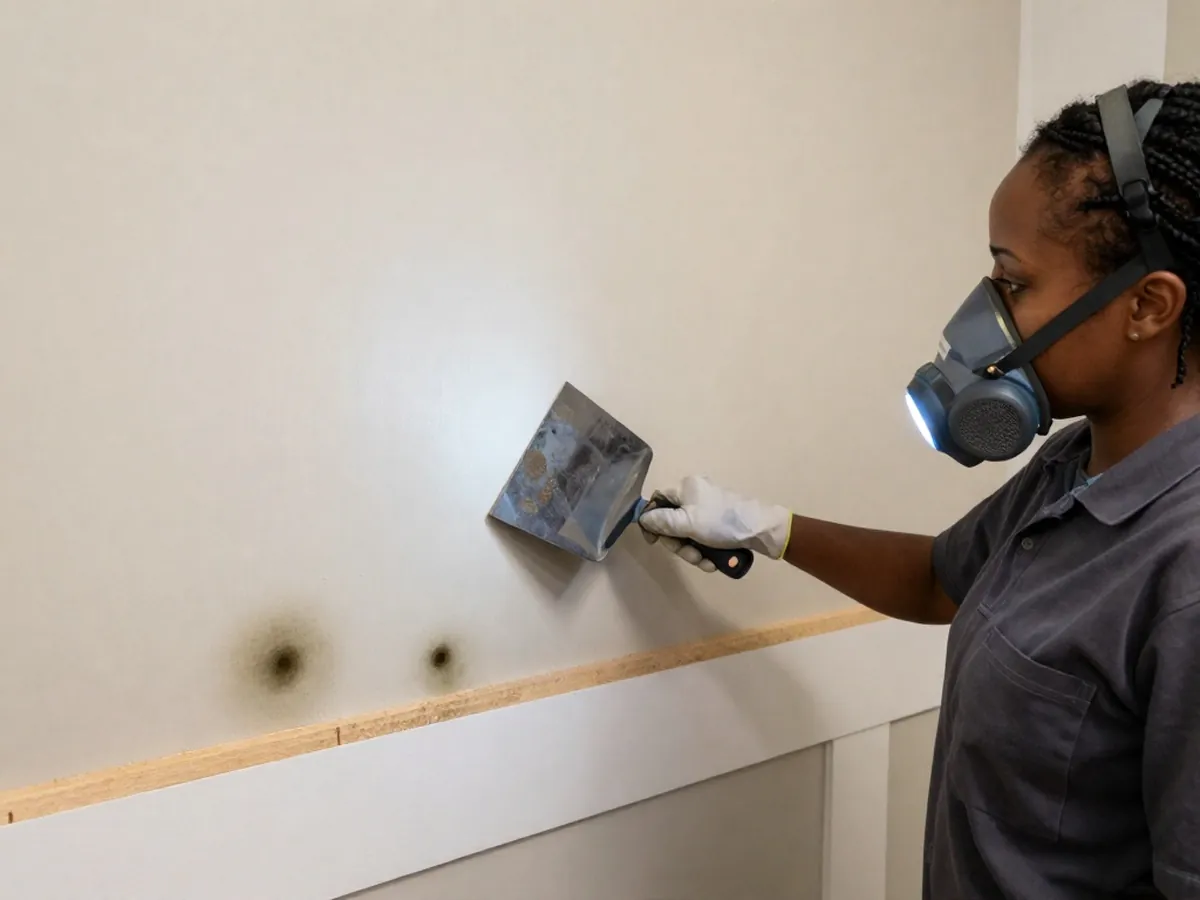
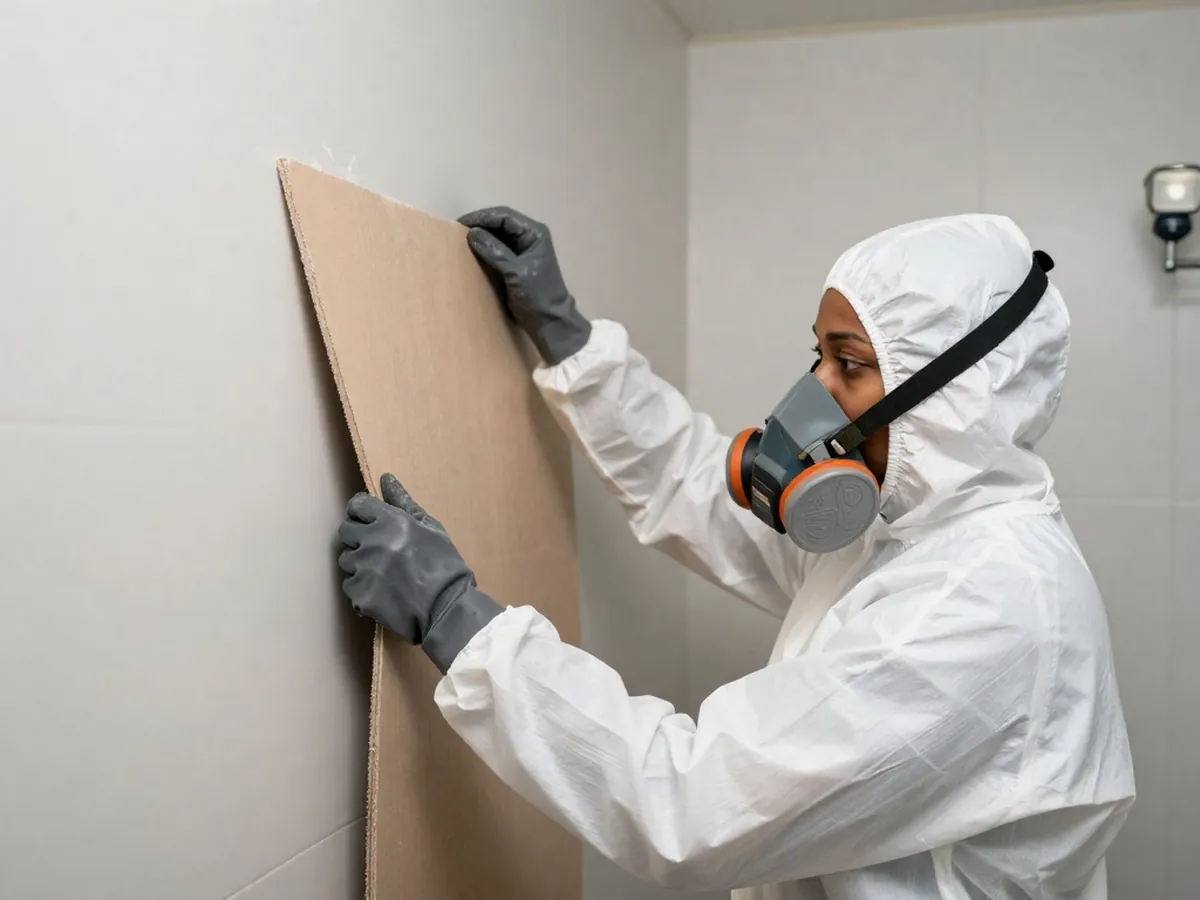
Technician in a protective suit and respirator removing wet drywall in a basement bathroom
Fig. 1Technician in a protective suit and respirator removing wet drywall in a basement bathroom

Work through it

Five steps, taken in this order

  1. Step back.

    CDC's first rule is to stay out of the water. Children and pets go to another room first.

  2. Look for wiring.

    Outlets, cords and the panel in a wet room turn this into a get-help-first situation.

  3. Check the water you drink.

    If a notice says the tap water is contaminated, or you suspect it, CDC lists bottled, boiled or treated water as the safe choices for drinking, cooking and personal hygiene.

  4. Photograph from the doorway.

    Georgia's insurance commissioner asks for photographs or video before temporary repairs.

  5. Report it.

    The sewer office for your town is the next call, and the town notes name each one.

What the contractor looks at

  1. Call (678) 940-8196, say where the backup began and how far the water has traveled, and a visit can be set up.

  2. Working out whether the cause sits in the home's own line or farther out, which decides who else gets a call.

  3. Mapping how far the dirty water reached across floors, walls and anything stored low.

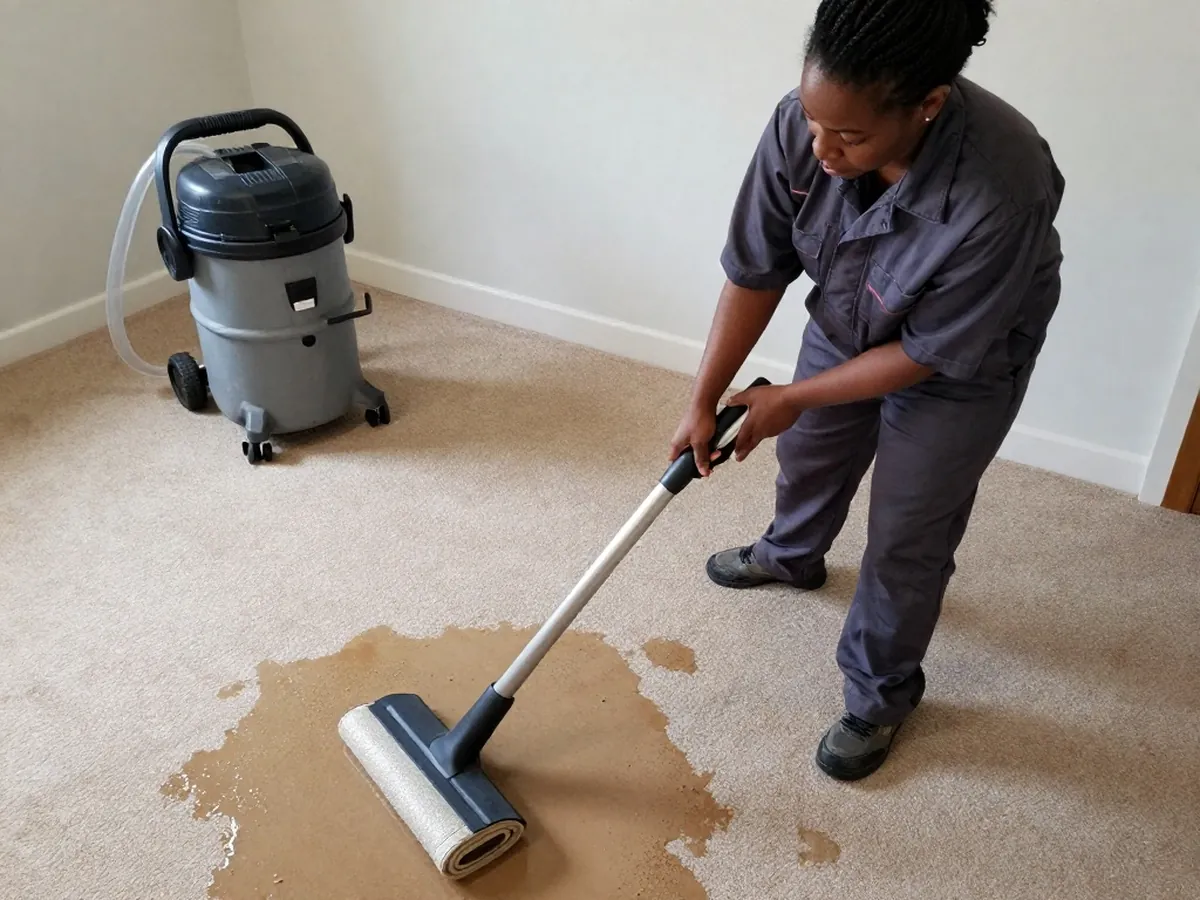
  4. Removing wet material that cannot be cleaned, such as soaked carpet, pad and the bottom of the drywall.

  5. Cleaning and disinfecting hard surfaces, then drying the space.

  6. Talking through next steps, including the town sewer office and who handles any repair to the line.

Asked and answered

How urgent is a sewage backup, graded 1 to 10?

Grade 8 to 10: dirty water is still rising, has reached wiring, or has touched a cut. Keep out, use 911 or the utility where wiring is involved, then call (678) 940-8196 about the cleanup. Grade 4 to 7: the backup stopped, but flooring is soaked. Call this week. Grade 1 to 3: a gurgle with nothing on the floor. Leave it alone and watch for a repeat.
Can I clean up sewage water myself?

The EPA recommends bringing in a professional who has experience with buildings damaged by contaminated water. It also says a flooded basement needs thorough cleaning and disinfecting to reduce the risk of disease. CDC adds that staying out of the water is the surest protection, and that food it touched goes in the trash.

What makes a sewer line back up?

The EPA lists tree roots entering through cracks or openings, and fats, oils and grease sent down drains, among the causes of blockages. It also names sump pumps and roof leaders wrongly tied into the sanitary sewer as a source of overload. Ask the sewer office which part of the line belongs to you.

Dry it, cut it or replace it

What gets cleaned and what goes in the trash

The EPA says rugs, flooring and upholstered pieces that sewage reached usually need replacing. North Dakota State calls for carpet soaked by contaminated floodwater to be removed and discarded, and says wallboard soaked by dirty floodwater needs replacing. On food, CDC's advice is to discard anything that may have touched flood or storm water.

Hard, sealed surfaces are the exception, and the EPA says they need thorough cleaning and disinfecting. Which of your materials are which is a question for the contractor, on site.

Technician in a protective suit and respirator removing wet drywall in a basement bathroom

Reading the picture

Why the person in the picture is dressed that way

The picture shows a technician in a white disposable suit with the hood up, a half-face respirator and gloves, pulling a wet drywall panel off a basement bathroom wall under a work light. The covering is there to keep dirty water off skin and clothes. It is gear for the person doing the work, not a homeowner's to-do list.

Taking out the wet panel is typical for this kind of job, since drywall that has soaked up dirty water is among the materials the guides say to replace.

Habits that cost more

Four mistakes after a backup

Walking through it to see how far it goes.

CDC says open wounds and rashes exposed to floodwater can become infected.

Keeping food from the pantry floor.

CDC says anything that may have touched the water goes in the trash.

Letting children look.

CDC says not to allow children to play in floodwater areas, and notes that even shallow water can be dangerous for small children.

Waiting for the smell to fade.

A smell going away tells you nothing about what is left in the carpet or the wall.

What you may notice

  • Dark, foul-smelling water backing up from a toilet, a tub or a floor drain
  • Gurgling from drains when the washer empties or a toilet flushes
  • A sewer smell in a basement bathroom or laundry corner
  • More than one fixture backing up together
  • Stained, soggy flooring beside a drain

Paperwork and licensing questions

Whose line is it, and who answers?

Rockdale Water Resources, at 958 Milstead Ave, oversees water and wastewater for the county; its page lists no sewer-backup program and no after-hours line. In Covington, the water resources department handles drinking water and sewer, and 770-385-2000 is the only number its page shows. In Lithonia, water service comes from DeKalb County, and its Watershed Management office lists (770) 270-6243 as the 24-hour emergency line. Contractor questions are in contractor rules for Conyers.

Call (678) 940-8196